
Centennial
A Century in the Making: Honoring 100 Years of Brook-Lea Country Club
Welcome to the first edition of The Centennial Chronicles—a monthly blog dedicated to exploring and celebrating the rich, 100-year history of Brook-Lea Country Club. As we proudly step into our centennial season, we invite you on a journey through time—a journey that not only honors our heritage but brings to light the remarkable stories, members, and moments that have shaped this extraordinary club into what it is today.
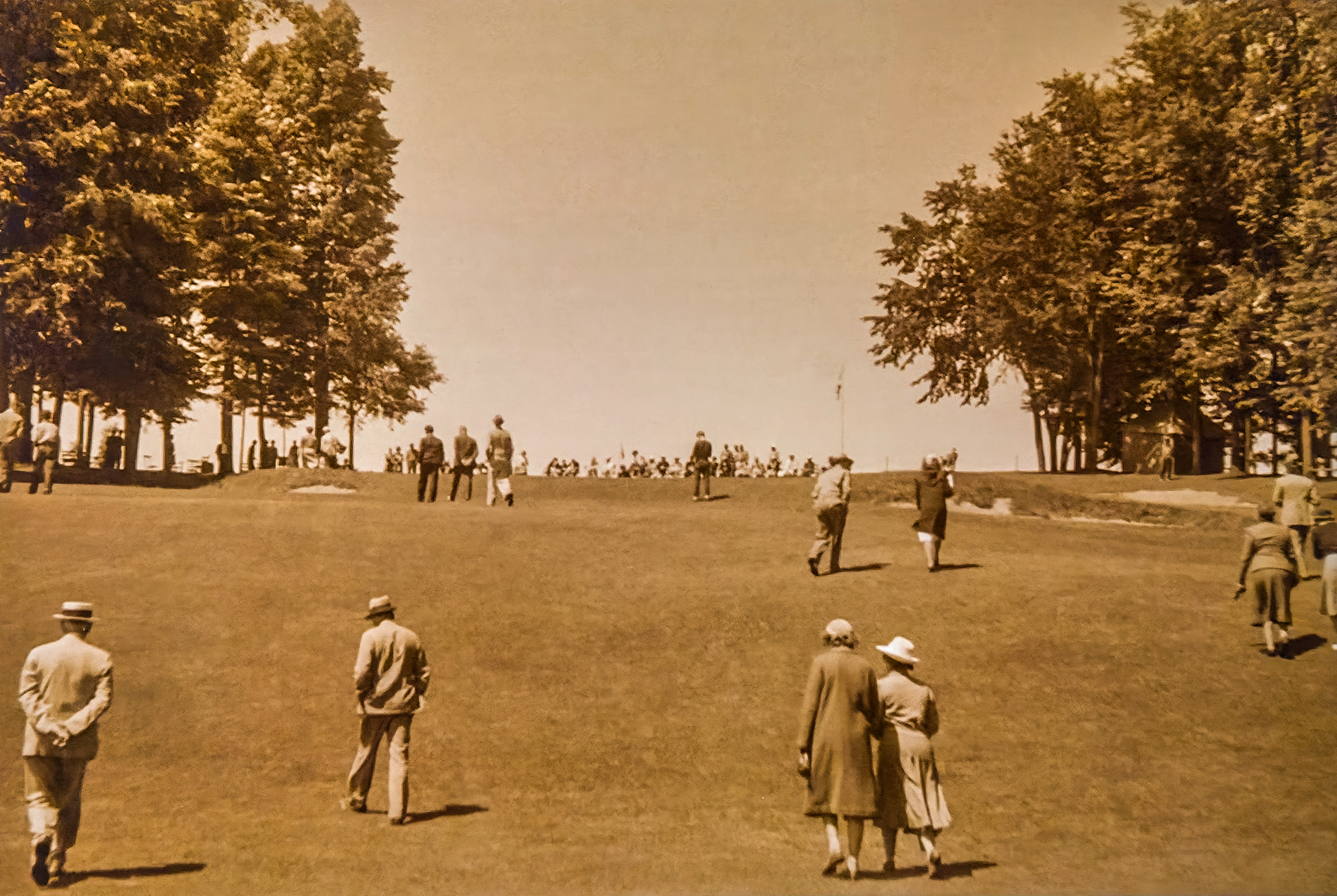
From the swing of the first club in 1926 to the roar from the rowdy onlookers around the 18th during a packed Invitational, Brook-Lea has always been more than a golf course. It has been a gathering place for generations, a cornerstone of community, and a living reflection of both local tradition and global history.
Each month, this series will uncover a new layer of Brook-Lea’s past:
Profiles of notable members—from local legends to those whose influence reached far beyond our fairways.
Historical intersections—pairing major world events with milestones in Brook-Lea’s own evolution, showing how golf and global history often shared the same tee time.
Architectural insight into Donald Ross’s original design and how it has stood the test of time.
Stories from the archives—photographs, letters, and artifacts that offer a rare glimpse into the club's early days.
This blog is for the lifers who’ve played hundreds of rounds here… and for the new faces just beginning their own Brook-Lea story. It's a tribute to tradition, a bridge to the present, and a celebration of a future that’s only just beginning to unfold.
So whether you’re reading from the comfort of the Windsor room, the patio overlooking 18, or between swings on the range, we hope you’ll find these stories as meaningful as the memories we continue to make together.
Here’s to 100 years of Brook-Lea—and to the stories that make it legendary.

The Origins of Brook-Lea: A Club Founded in the Company of Giants
Before the fairways were carved and the clubhouse stood tall, Brook-Lea Country Club began as an ambitious idea—one sparked in the shadow of transformative change happening across Rochester in the early 1920s. This wasn’t just about golf; it was about identity, community, and a group of determined individuals ready to shape their own corner of the city.
It all began with a monumental decision in 1922. George Eastman, the estate of Henry A. Strong, and a quiet yet powerful partner—widely believed to be John D. Rockefeller—purchased the land occupied by Oak Hill Country Club then donated it to the University of Rochester. That single act changed the map of the city and cleared the way for what would become the university’s iconic River Campus.
While Oak Hill made plans to relocate eastward, a new opportunity emerged for the growing neighborhoods west of the Genesee. Golfers from the 19th Ward suddenly found themselves without a course nearby. And so, in a modest office on West Avenue, a new idea took root.
A group of neighbors—names like Ward Head, John Mullan, and Harvey Haddleton—gathered with a simple but bold vision: to create their own country club on the west side of the city. These were no idle dreamers. Within months, Brook-Lea Country Club was incorporated, its mission clear: to build a haven for sport, camaraderie, and community. Interestingly, the club’s original logo was inspired by the colors of West High School—a subtle but meaningful nod to its 19th Ward roots. That legacy will come full circle on May 17th, when the Centennial logo is officially unveiled at the Kick-off Party. You won’t want to miss it.
Early meetings were discreet and strategic. The founders scouted land that wasn’t just practical—it was personal. These were the woods and fields they had roamed as children, fishing and frog hunting by a curving stream. Now, they saw fairways and greens where meadows once lay.
Momentum built quickly. Seventeen charter members each contributed $100 to help secure the land, and Frank Moffett led efforts to acquire the parcels that would become our home. Meanwhile, Rochester’s golfing world was buzzing with talk of new clubs and new designs. Oak Hill was evaluating sites near Durand-Eastman Park to the outskirts of Brighton. One proposed location boasted lake views and cool breezes but concerns over access, terrain, drainage and the proximity to the water treatment facilities still standing today ultimately sent them elsewhere.
Back at Brook-Lea, things were moving fast. By the end of 1924, three major initiatives were underway: designing the course, planning the clubhouse, and recruiting a vibrant membership. To bring the course to life, the founders brought in none other than Donald Ross, the most respected golf course architect of the era. His designs emphasized natural flow and strategic play—exactly what Brook-Lea’s founders wanted.
By April 1926, Ross’s plans were taking shape. Crews had cleared fairways and greens from holes that today are among the most iconic. Over 4,800 pounds of dynamite were used to remove stubborn tree stumps, and construction was budgeted at just over $42,000. Franklyn P. Clark was hired to oversee the build and ensure the course matured into the masterpiece it would become.
Then, on August 14, 1926, it all became real. Brook-Lea opened its first nine holes to members—ushering in a legacy built not only on great golf, but on grit, vision, and a deeply rooted connection to some of the world’s most influential figures of the era, including George Eastman and John D. Rockefeller.
Next month, we’ll explore Ross’s influence on the course design and how those early holes reflected not just a game—but the spirit of a new community taking shape.
Stay tuned and don’t miss the Kick-off Party. Special guest Curt Sampson will be attending and looking forward to meeting all of us and hearing the stories of Brook-Lea.
The Centennial Chronicles Team
History. Heritage. Home.
Stay tuned,
The Centennial Chronicles Team